 how-to
Residential Scaffolding for House Extensions: 2026 Guide
Table of Contents
- Step 1: Plan Residential Scaffolding Around Your Build Schedule
- Scaffolding Hire Duration for Renovations: How Long Do You Need It?
- House Extension Scaffolding Cost: What Affects the Quote
- Do You Need a Scaffolding Pavement Licence?
- Scaffold Design, Inspection and Safety Responsibilities
- Scaffolding Hire Checklist: What to Confirm Before Booking
- Coordinating Scaffolding With Builders and Tradespeople
- Frequently Asked Questions
Last Updated: October 5, 2026
Step 1: Plan Residential Scaffolding Around Your Build Schedule
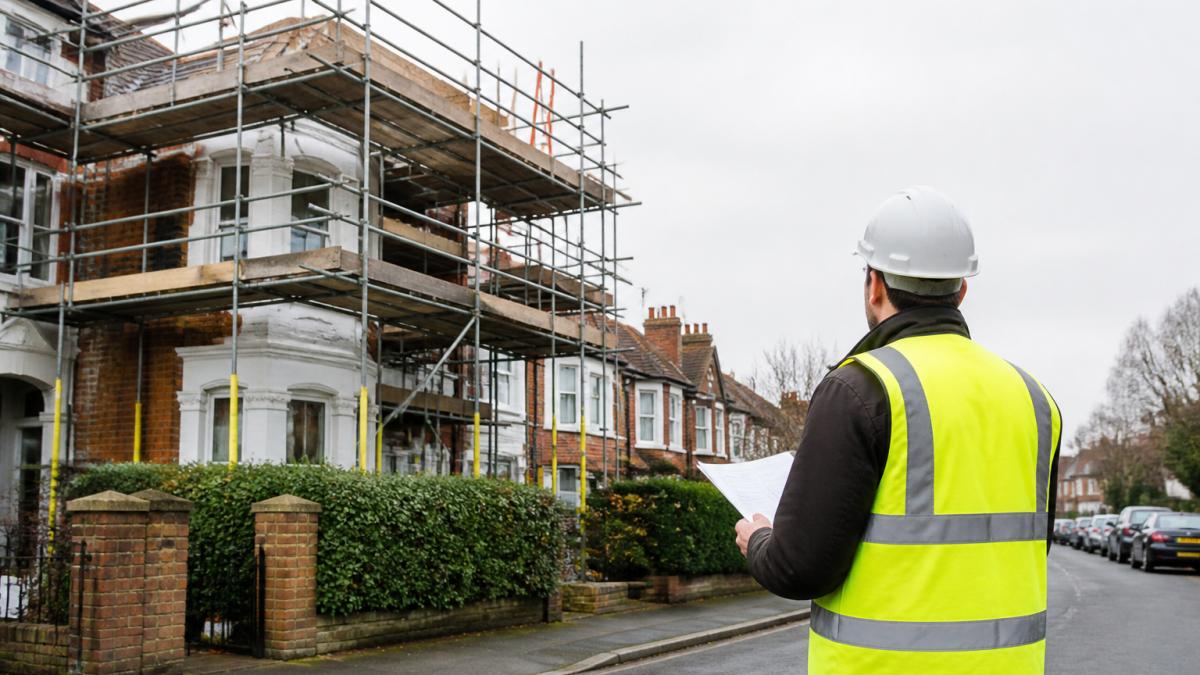
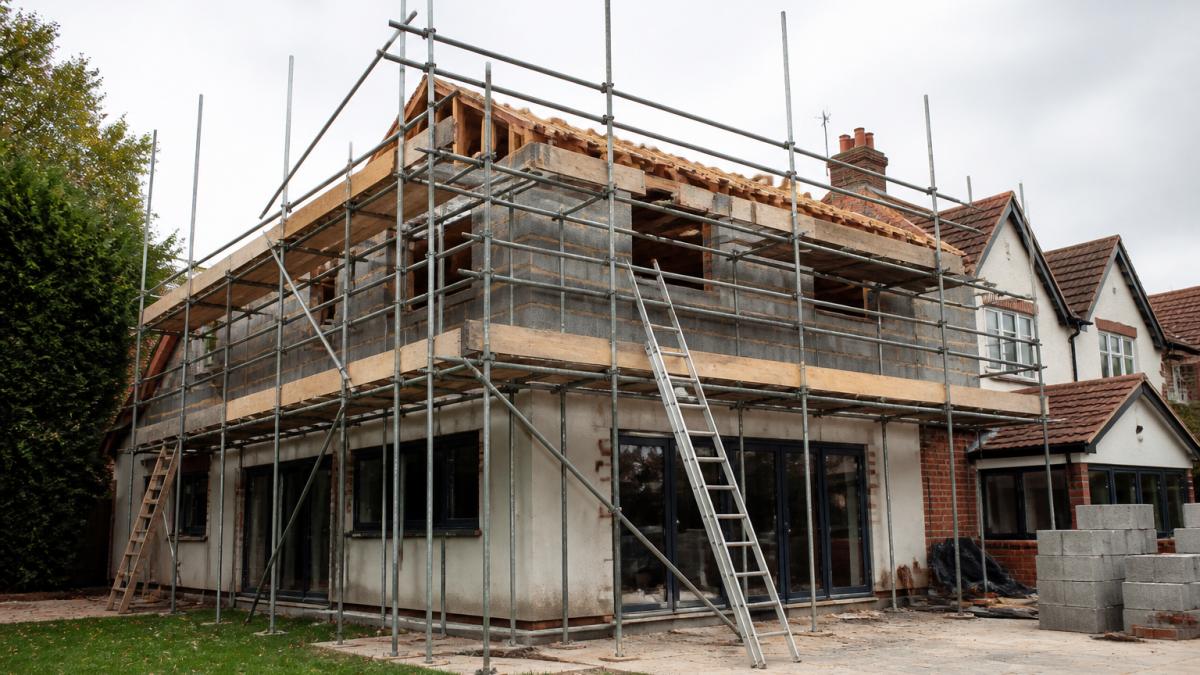
Residential scaffolding for house extensions works best when it goes up before your builder starts, not after. At Ironclad Scaffolding, we see this timing mistake more than any other.
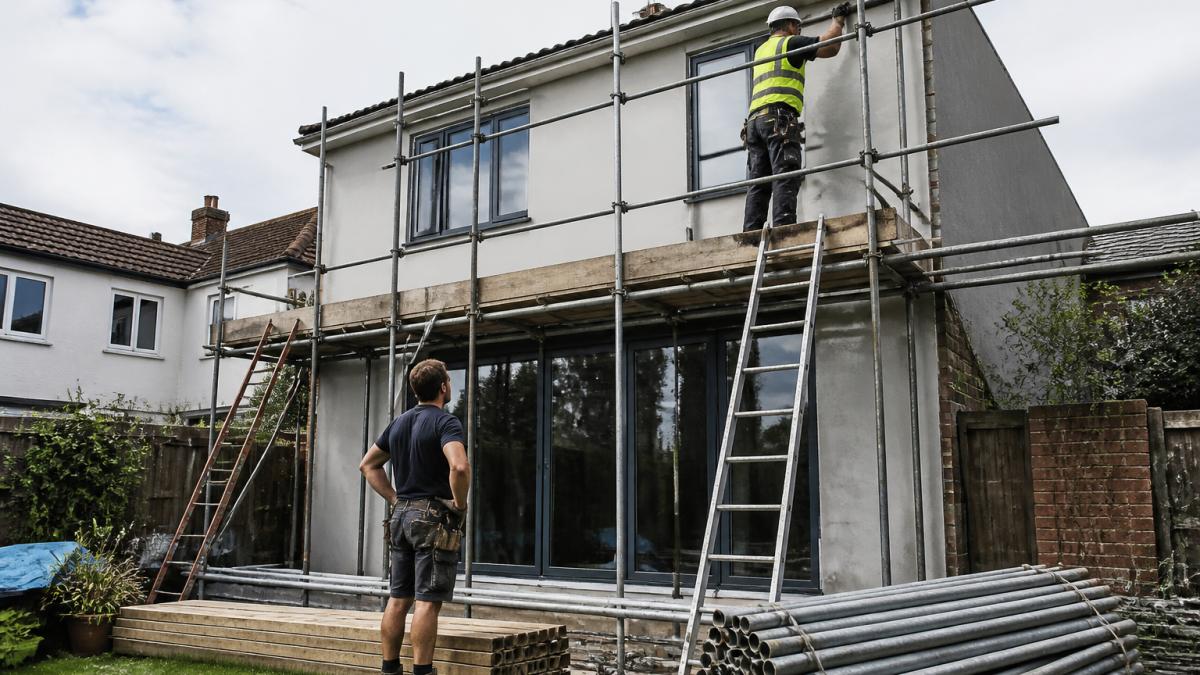
So start with your builder's dates. Then work backwards.
Scaffold erection usually takes a day for a typical two-storey home. Dismantling is quicker. But access, ground conditions and height all change that estimate.
Get the scaffold booked once your builder confirms a start date. Leave a buffer of a few days.
Match Scaffold Erection to Your Builder's Start Date
Your builder sets the pace. Scaffolders need to fit around them.
A common mistake is booking the scaffold for the same week the build starts. If the ground isn't ready, the crew turns up and can't erect anything. That's a wasted visit and a delay.
Confirm three things with your builder first:
- The exact start date for external work
- How long they need access at height
- Whether other trades need the scaffold too
Survey Site Conditions and Property Access First
Site access decides what scaffold you can have. A narrow driveway or a sloped garden changes the design.
Walk the space before you book anything. Check for:
- Overhead cables and tree branches
- Ground that slopes or softens when wet
- Gates, fences and parked cars blocking the route
- Space for a lorry to unload tubes and boards
Tell your scaffolder about anything unusual. It saves a second visit.
Scaffolding Hire Duration for Renovations: How Long Do You Need It?
Scaffolding hire duration for renovations depends on the job, not a fixed number. Most house extensions need the scaffold for the full build.
Here's the problem. Most homeowners guess short and then pay for extensions.
Our packages include ten weeks of hire as standard. For most extensions, that covers the build. If your job runs longer, you pay for the extra weeks.
Typical Timelines for Extensions, Roofing and Loft Conversions
Timelines vary by project. But here's a rough guide to plan around:
| Project | Typical Scaffold Duration | Main Factor |
|---|---|---|
| Roof repair | 1-2 weeks | Weather and access |
| Re-roofing | 2-4 weeks | Roof size and pitch |
| Loft conversion | 8-14 weeks | Structural work |
| Single-storey extension | 6-10 weeks | Build programme |
| Two-storey extension | 10-16 weeks | Full build length |
Treat these as estimates. Your builder's programme is the real timetable.
How Hire Extensions, Alterations and Removal Actually Work
Most residential scaffold hire runs on a weekly rate after the included period. The practical points to agree before you sign are:
- Extension notice. Ask how much notice the provider needs to extend the hire. A common pattern is 48 hours, but confirm it in writing so you are not caught out when the build overruns.
- Alterations mid-build. Extensions often need the scaffold adjusted, a lift added for a higher roof line, a section struck to let a window go in, or a return added for a side wall. Ask whether alterations are charged per visit or included, and who signs them off.
- Partial dismantling. Sometimes only part of the scaffold comes down while the rest stays up. Confirm whether the provider will do a partial strike and what that costs, because it is usually cheaper than a full removal and re-erection.
- Removal timing. Dismantling should be booked once the last trade has finished at height, not before. If a roofer or window fitter is due back, keep the scaffold up. Re-erecting a struck scaffold costs more than extending the hire by a week or two.
- Who arranges changes. On most domestic jobs the homeowner or the builder calls the provider. Agree one point of contact so requests do not get lost between trades.
What Happens If the Build Overruns
Overruns are normal on extensions. Weather, deliveries and unexpected structural work all push the programme.
Ask your provider two questions at quote stage: what is the weekly rate after the included period, and is there a minimum extension period.
If the overrun is significant, it can be cheaper to strike the scaffold and re-erect it later than to keep paying weekly.
House Extension Scaffolding Cost: What Affects the Quote
House extension scaffolding cost comes down to a few clear factors. Size, height, duration and access do most of the work. There's no single price that fits every home.
We don't publish fixed prices because every property differs. What we can do is explain what moves the number up or down.
The main cost drivers are:
- Scaffold size and working height
- Hire duration beyond the included period
- Site access and ground conditions
- Whether a pavement licence is needed
- Design complexity, such as curved or stepped walls
Get a written quote that lists what's included. A vague verbal estimate causes arguments later.
Do You Need a Scaffolding Pavement Licence?
A scaffolding pavement licence is needed when the scaffold sits on public pavement or highway (Scaffolding and hoarding licence (England and Wales)).
Councils control this. Rules differ between authorities, so check with yours early. Applications can take time to process.
This is where paperwork trips people up. A rejected or delayed licence stalls the build.
We handle the highway licence for you as part of the service.
For official guidance on placing items on the highway, see GOV.UK guidance on pavement licences.
Scaffolding on Neighbouring Land and Boundaries
Sometimes the scaffold has to cross onto a neighbour's land. That needs their permission, ideally in writing.
Talk to your neighbour before the scaffold goes up. Explain what's happening and how long it will stay. Most disputes start with surprise, not the scaffold itself.
If a boundary is unclear, check your title deeds or ask the council.
Permissions, Consents and Other Approvals to Check
A pavement licence is the most common approval, but it is not the only one. Before the scaffold goes up, work through this list:
- Highway or pavement licence. Required when any part of the scaffold, including base plates and toe boards, sits on public land. Apply through the local highway authority. Processing times vary, so start early.
- Neighbour consent for oversail or access. If scaffold tubes, boards or a fan overhang a neighbour's airspace, or if the crew needs to cross their land to erect it, get written permission. A short letter or email setting out dates and what will happen is usually enough.
- Estate or management company rules. If you live on a managed estate, private road or in a block with shared grounds, there may be additional rules on contractors, parking and working hours. Check the lease or management pack.
- Listed building or conservation area consent. If the property is listed or in a conservation area, the local planning authority may need to approve the scaffold, particularly where it affects the street scene or attaches to the fabric of the building. Check with the conservation officer before booking.
- Party wall considerations. Where the extension itself triggers the Party Wall etc. Act 1996, the scaffold may form part of the works covered by the award. If you have a party wall agreement in place, check whether scaffold access is addressed in it.
Practical Steps to Avoid Delays
- Confirm with your scaffolder exactly where the scaffold will stand and whether any part touches public land or a neighbour's property.
- Apply for the pavement licence as soon as the design is fixed, not the week before erection.
- Put neighbour permission in writing, with dates and a contact number.
- Check estate, lease or conservation rules at the same time.
- Keep copies of every approval on file in case the council or a neighbour asks.
Getting this paperwork right early is usually the difference between a scaffold that goes up on schedule and one that sits in the yard waiting for a signature.
Scaffold Design, Inspection and Safety Responsibilities
Scaffold safety is a shared job, not one person's problem. The scaffolder designs and erects it. The person in charge of the site then manages it day to day.
Fixed scaffolding must be designed to resist wind and load. Guardrails, toe boards and a stable base are not optional. They keep people safe at height.
Under the Work at Height Regulations 2005, scaffolds used for construction must be inspected before first use and at regular intervals after that. The HSE guidance on scaffold inspection sets out what's required.
For a domestic project, your builder is usually the one managing the site. They should:
- Check the scaffold before each shift
- Keep an eye on it after storms or impacts
- Report anything loose or damaged
Never alter a scaffold yourself. If a board shifts or a fitting loosens, call the scaffolder.
Scaffolding Hire Checklist: What to Confirm Before Booking
A scaffolding hire checklist stops small gaps becoming big problems. Run through it before you sign anything.
Use this list:
- Written quote with a clear breakdown
- Hire duration and the cost of extra weeks
- Who arranges the pavement licence
- Confirmation the crew is trained and insured
- Erection and dismantling dates
- Access route agreed
If a provider can't answer these, keep looking.
Coordinating Scaffolding With Builders and Tradespeople
Good coordination keeps the job moving. The scaffold is the shared platform every trade works from. Get the timing right and everyone benefits.
Share one schedule with everyone involved. Builder, roofer, window fitter and scaffolder should all see the same dates.
Here's what works in practice:
- Book the scaffold around the builder's programme
- Tell every trade when the platform is ready
- Agree who inspects it and how often
- Plan dismantling only when all trades are finished
One more thing. Don't dismantle early to save a week. If a trade returns, you'll pay to put it back up.
If you're planning exterior work and want clarity before you commit, our team can help. We offer instant quotes and a 3D scaffold viewer so you can see the design on your home first.
Frequently Asked Questions
When should scaffolding be erected for a house extension?
Erect scaffolding once the groundworks and foundations are complete and your builder is ready to start the walls. Putting it up too early blocks access for excavators and concrete deliveries, while leaving it too late forces tradespeople to work at height without a proper platform. Agree the erection date with your scaffolder and builder at least two weeks in advance, and confirm site access for the delivery lorry on the day.
How long is scaffolding usually needed for a house extension?
The duration scaffolding is needed varies significantly by project. Factors like weather, material delays, and inspection sign-offs all affect the timeline, so it's wise to build a buffer into your scaffolding hire duration for renovations before the initial hire period ends.
Do I need permission to put scaffolding on a public pavement?
Yes. If any part of the scaffold sits on the highway, including the pavement, you need a scaffolding pavement licence from your local council. The application requires public liability insurance and a traffic management plan. A professional scaffolding company will handle the licence application on your behalf, which removes the paperwork and reduces the risk of delays or rejection.
What should I check before scaffolding is erected at my home?
Use a scaffolding hire checklist: confirm the provider is fully insured, agree the hire duration in writing, and ensure inspection arrangements are clear. Also clear the work area of cars, garden furniture and bins, and warn neighbours if the scaffold will cross a boundary. A written quote within 24 hours gives you a clear record of what is included.
Planning a house extension means juggling builders, trades and paperwork at once. The scaffold shouldn't be the thing that slows you down. Ironclad Scaffolding offers instant quotes, a 3D scaffold viewer, ten weeks of hire included, and highway licence handling as standard. Get started with Ironclad Scaffolding and keep your build on schedule from day one.