 how-to
How to Verify Scaffolder Insurance Coverage: 7 Checks
Table of Contents
- Why Verifying Scaffolder Insurance Coverage Matters
- What to Expect on a Scaffolding Insurance Certificate
- How to Check a Business Is Insured: Step-by-Step
- Scaffolder Public Liability Insurance: What to Confirm
- Scaffolder Insurance Cover Limits and Indemnity Levels
- Matching Policy Wording to the Job
- Evidence of Cover for Subcontractors and Labour-Only Workers
- What to Do When Cover Is Inadequate or Cannot Be Verified
- Frequently Asked Questions
Last Updated: October 18, 2026
Why Verifying Scaffolder Insurance Coverage Matters
A scaffolder's insurance certificate is not paperwork to file away. It is the document that decides who pays if a board falls on your roof, a worker is hurt in your garden, or a passer-by is struck on the pavement outside.
The stakes are simple. That is why the Health and Safety Executive guidance on construction insurance treats checking contractors' cover as part of your duty to manage risk on your own property.
What to Expect on a Scaffolding Insurance Certificate
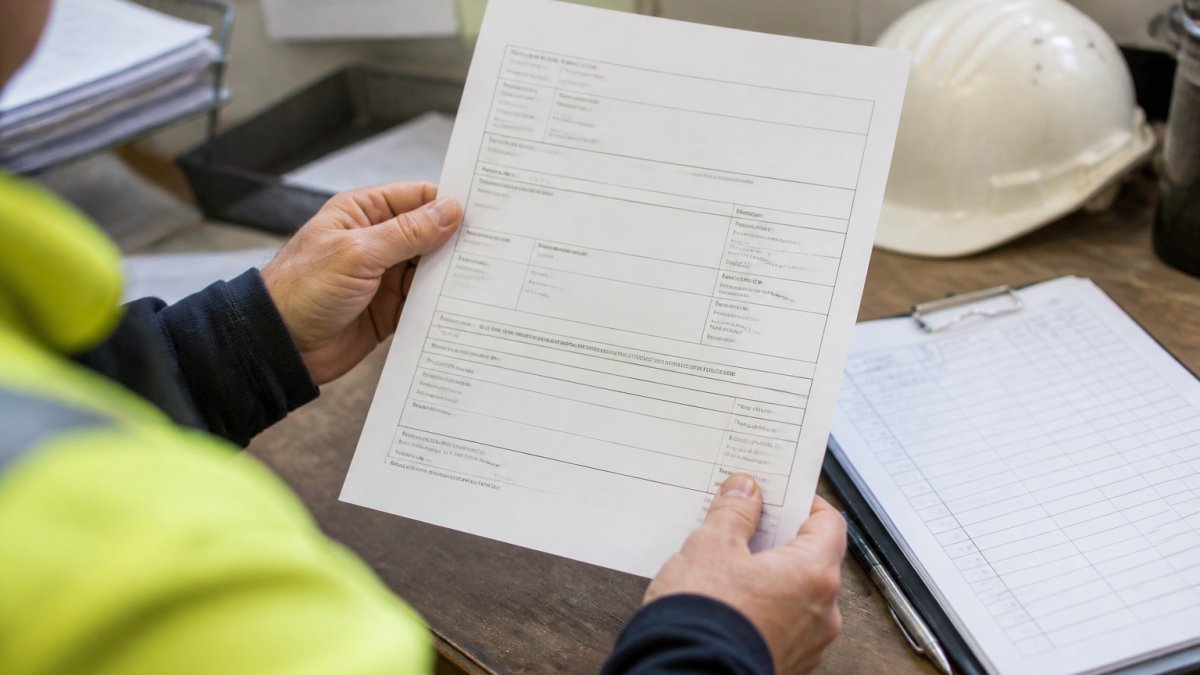
A scaffolding insurance certificate should show the business name, policy number, insurer, policy period, and the cover limits in plain figures. It is a one or two-page summary issued by the insurer, not a hand-typed letter from the scaffolder.
Key Fields to Check on the Certificate
Work down this list and tick each one:
- Named insured: matches the business name on your quote exactly
- Policy number: a real reference you can quote to the insurer
- Employers' liability limit: usually required by law where staff are employed (Employers' Liability (Compulsory Insurance) Act 1969)
If any field is blank, blurred, or handwritten over, ask for a clean copy.
How to Check a Business Is Insured: Step-by-Step
The fastest way to check a business is insured is to compare the certificate against the quote, then confirm the policy is live with the insurer or broker. Most practitioners find the whole process takes under an hour if the scaffolder supplies a clean certificate by email. Work through it in this order and keep a written record of each step.
- Request the certificate by email, not a photo of a screen. A PDF issued by the insurer is harder to alter and carries the insurer's branding. A phone snapshot of a monitor is a red flag.
- Match the named insured to the contracting entity. The name on the certificate must match the business name on your quote, and any parent company or trading name must be accounted for. If the quote is from "Smith Scaffolding Ltd" but the certificate names "Smith Property Services Ltd", ask which entity will be on site and whether the policy extends to it.
- Check the policy period against your project dates. The effective date must be on or before the first day of work, and the expiry date must fall after the last day of dismantling and hire. A policy that expires mid-project leaves a gap.
- Read the business description. It should mention scaffolding erection and dismantling, or a close equivalent such as "scaffolding contractors" or "work at height". A description limited to "general building" or "property maintenance" may not cover scaffold work.
- Note the policy number and insurer, then confirm the policy is live. Ring the insurer's general enquiries line, not a number printed on the certificate, and quote the policy number. Ask three things: is the policy in force today, what is the public liability limit, and does it cover scaffolding work at domestic premises.
- Ask about subcontractors and labour-only workers. Confirm whether the policy extends to them or whether each subcontractor carries their own cover. Get the answer in writing.
- Save the certificate, your call notes, and the date and time of the call with the contract. If the job scope changes, a taller scaffold, a longer hire, work over a highway, repeat steps 3 to 6.
Authenticating the certificate itself
A certificate is only as good as its provenance. Check that it is a PDF issued by the insurer or broker, not a hand-typed letter on the scaffolder's own letterhead. Look for the insurer's logo, a policy number that follows the insurer's usual format, and a certificate reference. If the document is blurred, cropped, or shows signs of editing around the dates or limits, ask for a clean copy direct from the broker.
Consent and privacy when you call the insurer
Insurers and brokers will not discuss a policy with a third party without the policyholder's consent, and data protection rules limit what they can disclose. The practical route is to ask the scaffolder to authorise the insurer to confirm cover to you, or to ask the broker to issue a letter confirming the policy is in force, the limits, and the business description.
What a confirmed answer sounds like
A confirmed answer is specific: the policy is in force on today's date, the public liability limit is a stated figure, the business description includes scaffolding, and the insurer confirms the policyholder's name. A vague answer, "they're covered", "it's all in order", is not confirmation. If you cannot get specifics, treat the cover as unverified and do not let work start.
Scaffolder Public Liability Insurance: What to Confirm
Scaffolder public liability insurance covers injury to other people and damage to their property while the scaffolder works. For domestic work, confirm the limit is high enough to cover a serious incident, and that the policy is not restricted to commercial sites only.
Ask two direct questions: does this policy cover domestic dwellings, and does it cover work at height on a private house? If the answer to either is no, the certificate is not fit for your job.
Scaffolder Insurance Cover Limits and Indemnity Levels
Cover limits and indemnity levels tell you the maximum the insurer will pay for one claim. A public liability limit that looks large on paper can still fall short if it excludes the type of loss you're worried about. Read the limit and the exclusions together, never the limit alone.
| What to check | Good sign | Warning sign |
|---|---|---|
| Public liability limit | Stated figure per claim | "As required" or blank |
| Employers' liability | Listed where staff employed | Missing entirely |
| Tools and plant cover | Named in the policy | Not mentioned |
| Work at height | Included in description | Excluded or capped |
| Subcontractors | Named or covered | Silent on the point |
| Policy period | Covers your project dates | Expires before hire ends |
Matching Policy Wording to the Job
Policy wording is where claims are won and lost. A policy built for shopfitting will not cover scaffold erection on a sloping roof, and a policy written for commercial sites may exclude domestic dwellings entirely. The check is not whether the scaffolder is insured in general, but whether this policy covers this job at this address. Work through the five comparisons below and ask the broker to confirm any point you cannot resolve from the certificate and schedule.
1. Site type and address
Confirm the policy covers the type of premises you are having worked on, domestic dwelling, commercial building, or public highway. Some cheap policies exclude residential property, and others exclude work over or adjacent to a public highway. If your scaffold sits on the pavement, ask specifically whether the policy covers work on or over the highway and whether a highway licence condition affects cover.
2. Scaffold type and height
Match the scaffold you are having erected to the policy's description of work. Check for height restrictions and work-at-height exclusions: many policies cap the height at which cover applies, and some exclude work above a stated number of metres. Confirm the policy covers both erection and dismantling, and that it covers the scaffold type specified, independent, tower, suspended, or system scaffold, if the schedule lists types.
3. Duration and hire period
Policies are written for a policy period, and some carry conditions about the maximum duration of a single contract. Confirm the policy period covers your project dates including hire time, and ask whether a long hire or a project that overruns the policy period would leave a gap. If the hire extends beyond the expiry date, ask for evidence of renewal before the old policy lapses.
4. Activities and endorsements
Read the schedule for endorsements, amendments that add or restrict cover. Look for endorsements that extend cover to specific activities such as work at height, hot works, or work on occupied premises, and for exclusions that remove cover for those same activities. An endorsement that names your job type is a good sign; silence on the point is not the same as cover.
5. Contract terms and who is insured
Compare the policy to the contract. If the contract requires the scaffolder to indemnify you or to name you as an interested party, check whether the policy supports that. Confirm whether the policy covers subcontractors and labour-only workers, and whether the principal contractor's policy extends to them or each carries their own. If the answer is vague, treat it as no cover for that party.
| What to compare | Where to look | What to confirm |
|---|---|---|
| Site type | Business description and exclusions | Domestic dwelling and highway work included |
| Scaffold type and height | Schedule and height exclusions | Your scaffold type and working height within scope |
| Duration | Policy period and contract conditions | Project dates and hire period inside the period |
| Activities | Endorsements and exclusions | Work at height and dismantling included |
| Parties | Named insured and subcontractor clause | Subcontractors and labour-only workers covered |
If you cannot match the wording to the job from the documents, ask the broker to confirm in writing that your job type, site, height, and duration are covered. If the broker will not put it in writing, treat the cover as unverified and do not let work start.
Evidence of Cover for Subcontractors and Labour-Only Workers
A scaffolder's own certificate does not automatically cover the crew on your job. Subcontractors and labour-only workers often carry their own policies, and some main contractors require evidence of cover before anyone sets foot on site.
Ask for a certificate for each subcontractor, or written confirmation that the principal contractor's policy extends to them. If the answer is vague, treat it as no cover.
What to Do When Cover Is Inadequate or Cannot Be Verified
If cover is inadequate or cannot be verified, do not let work start. Ask for a fresh certificate, a broker's letter confirming cover, or a different provider. A legitimate business will supply these without fuss.
At Ironclad Scaffolding, we handle the highway licence and include ten weeks of hire in every package, and we'll happily send our certificate before you commit. Our 3D scaffold viewer shows exactly what will go on your house, and our written quotes arrive within 24 hours.
UK government guidance on employing contractors safely
Frequently Asked Questions
What insurance do scaffolders need?
Scaffolders typically need public liability insurance, employers' liability insurance where they employ staff, and cover for tools, plant and commercial vehicles. Public liability protects third parties and property, while employers' liability is a legal requirement for most employers. Ask for a certificate showing the policy number, insurer, named insured, cover limits and effective and expiry dates. Confirm the policy is current and that the work you need is not excluded.
How can I verify if a business is insured?
Ask for a copy of the certificate of insurance and check that the business name and address match the company you are hiring. Call the insurer or broker using the number on the certificate to confirm the policy is active. Request that the certificate is sent directly from the insurer or broker if possible. Cross-check the policy period and cover limits against the job. Keep a copy for your records.
What details should a scaffolder's insurance certificate include?
A valid certificate should show the named insured, policy number, insurer, policy period with effective and expiry dates, and the cover limits for public liability and employers' liability. It should also list any endorsements or exclusions relevant to work at height or scaffold erection and dismantling. Check that the business name matches exactly. If any field is missing or unclear, ask for clarification before work begins.
What should I do if a scaffolder cannot provide proof of insurance?
Do not allow work to start. Ask for the certificate again in writing and explain that you need it before work begins. If it is still not provided, consider another provider. Without evidence of cover, you could be exposed to claims for property damage or injury. Keep a record of your requests. If you have already paid a deposit, check your cancellation rights and seek advice if needed.