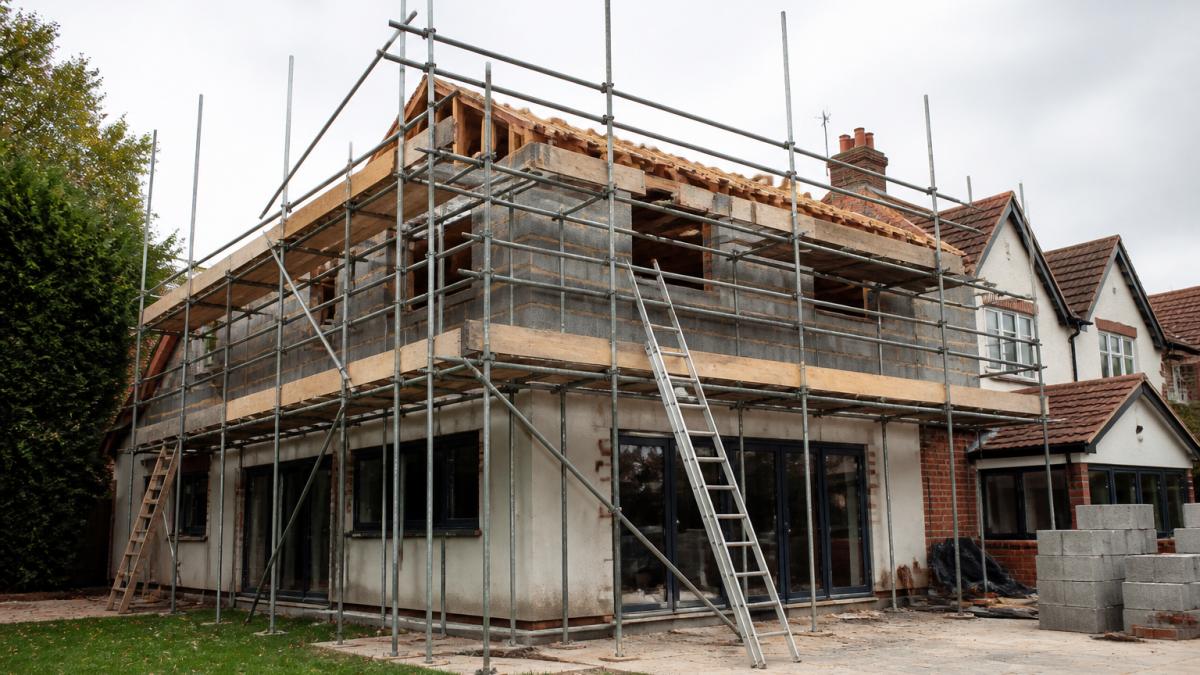
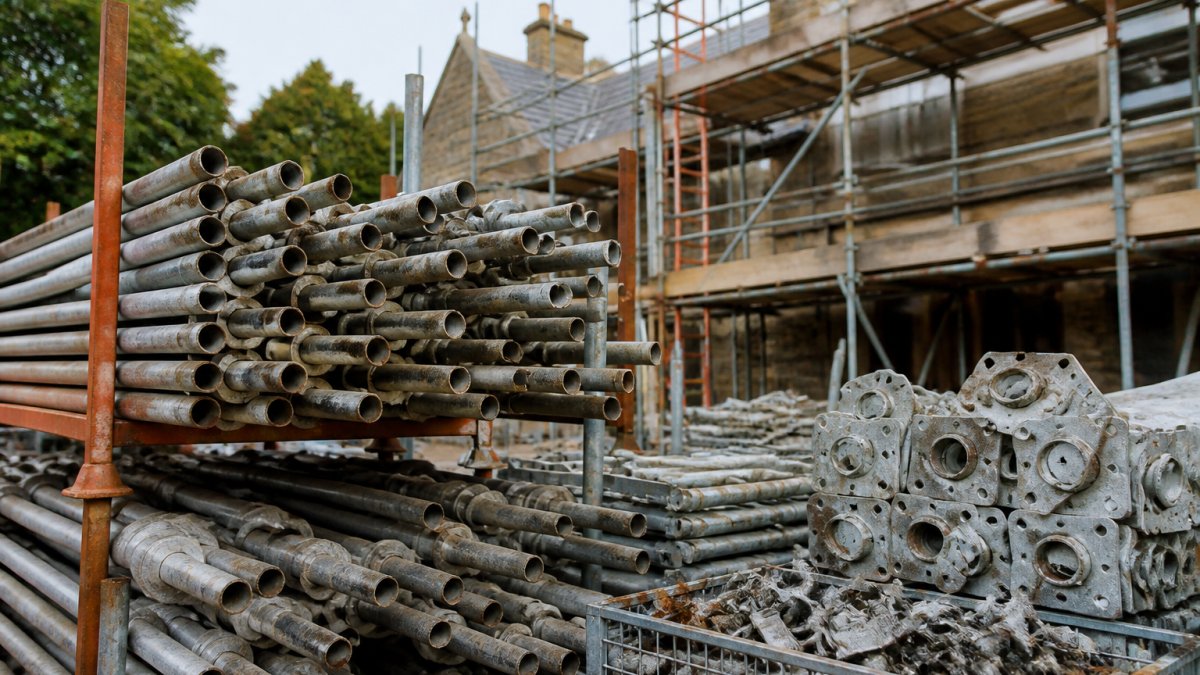
 ultimate-guide
Scaffolding Hire Excess Week Charges Explained
Table of Contents
- How Excess Week Charges Are Triggered on Scaffolding Hire
- Scaffolding Hire Cost Per Week: What Drives the Rate
- Scaffolding Hire Extension Charges: Notice Periods and Calculations
- Scaffolding Hire Quote Inclusions: What Should Be in Writing
- Scaffolding Dismantling and Collection Costs Explained
- Scaffold Tower vs Traditional Scaffolding: Cost Differences
- Disputing Unexpected Charges and Avoiding Extra Hire Fees
- Frequently Asked Questions
Last Updated: October 9, 2026
How Excess Week Charges Are Triggered on Scaffolding Hire
Scaffolding hire excess week charges are additional weekly fees applied when a scaffold stays up beyond the agreed hire period, and they are the biggest source of surprise invoices on domestic projects. At Ironclad Scaffolding, we include ten weeks of hire in every package.
An excess week is any full or part week beyond the included hire period. Hire periods are counted in whole weeks, so a scaffold standing eleven days past the agreed term is usually charged as two excess weeks.
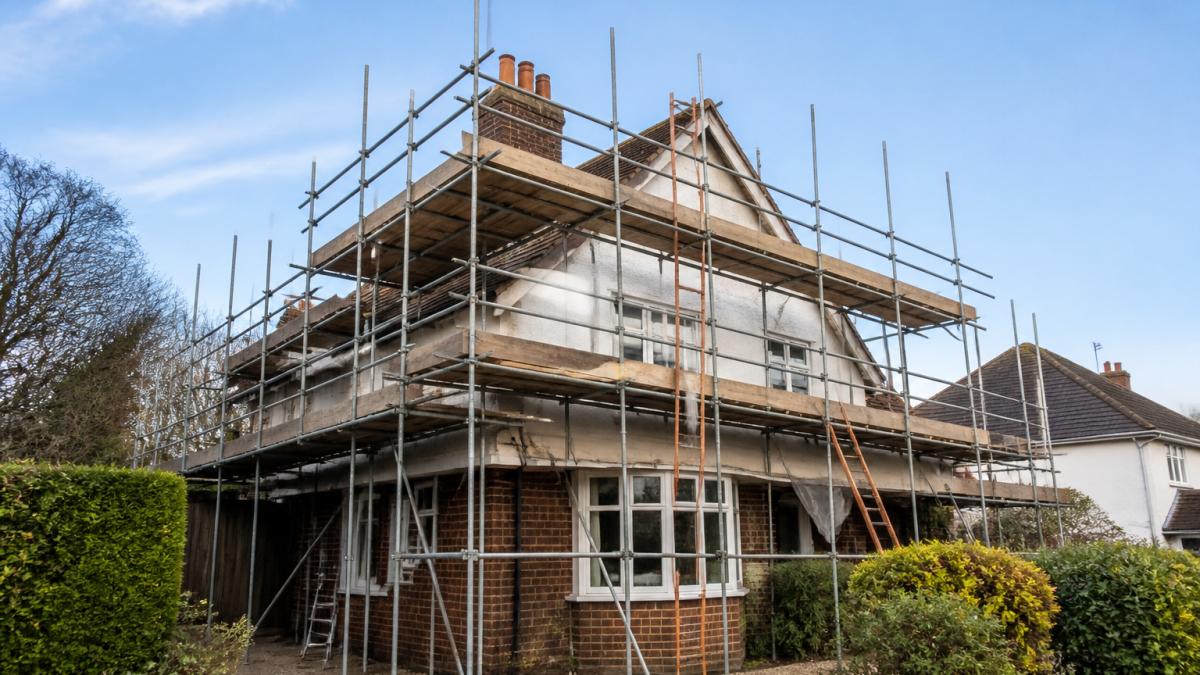
What Counts as an Excess Week
An excess week begins the day after your included hire period ends and runs for seven days, calculated from the contract end date, not from when your builder finishes. If your roofer is delayed, the hire clock keeps running. Confirm the exact end date in writing, and make sure your quote states the included period and the excess rate side by side.
The definition of an excess week varies in three ways:
- Calendar week vs. rolling seven days. Some providers count excess in calendar weeks (Monday to Sunday), so a scaffold that comes down on a Tuesday in week two can still be charged for the whole calendar week. Others count seven consecutive days from the contract end date. Ask which applies before you sign.
- Grace period. A minority of providers allow a 24 to 48 hour grace period before the first excess week is triggered. This is not standard and is rarely offered unless you ask. Get the exact hours in writing.
- Part-week rounding. The domestic market default is to round any part week up to a full week. A one-day overrun is charged as one excess week; an eight-day overrun as two. There is no pro-rata daily rate unless the contract states one.
Worked Examples: What an Overrun Actually Costs
Assume an agreed excess rate of £95 per week (VAT exclusive) and an included hire period of ten weeks ending on a Friday.
| Scenario | Project finishes | Days over | Excess weeks charged | Excess charge (ex VAT) |
|---|---|---|---|---|
| Minor overrun | Following Monday | 3 | 1 | £95 |
| One-week slip | Following Friday | 7 | 1 | £95 |
| Two-week slip | Second following Wednesday | 12 | 2 | £190 |
| Weather delay | Third following Monday | 17 | 3 | £285 |
A three-day overrun and a seven-day overrun both cost £95, but going from seven days to twelve doubles the bill. If your project is running late, act before the next full week ticks over.
Who Is Responsible for Delays
The party responsible for the delay usually pays the excess charge. If your builder overruns, the charge sits with you unless your contract says otherwise; if the scaffolding provider is late erecting or collecting, that is their cost. Put the delay responsibility in the contract.
Delay liability breaks down into four categories:
- Weather. Prolonged rain, high winds or frost can stop roofing and render work for days. Most standard contracts treat weather as a customer-side risk, so the excess charge still applies. Ask whether the provider offers a weather-delay clause.
- Contractor or trade delays. If your builder, roofer or electrician overruns, the excess charge accrues to you as the hirer. Your remedy is against the builder, not the scaffolding company, unless your building contract says otherwise.
- Access issues. If a skip, delivery van or locked gate blocks the crew, the delay is usually charged to you. Photograph the access route on the day you expect collection.
How the Clock Stops
The hire clock stops on the collection date, not the date your builder finishes. If your project ends on a Tuesday but the scaffold is not collected until the following Monday, you have accrued six extra days, which rounds up to a full excess week.
Book collection as soon as you know the project end date and confirm the slot in writing. If the provider cannot collect within the agreed window, ask them to confirm in writing that the excess clock is paused from the original end date.
Scaffolding Hire Cost Per Week: What Drives the Rate
Scaffolding hire cost per week is driven by four things: scaffold size, height, access difficulty and hire duration. A standard house scaffold covering a semi-detached roof sits at the lower end; higher buildings, awkward access or a large span push the weekly rate up. Longer projects often attract a lower weekly rate.
Scaffold Size, Height and Area Calculations
Providers price on the area of scaffold required in square metres, plus the height of the structure. Height adds cost through more materials, more erection time and, above a certain point, additional design checks. Access is the third factor: a scaffold over a driveway is straightforward, while one over a conservatory or narrow side return takes longer to build. Where a public footpath or road is affected, a highway licence is needed, and we handle that application for our customers.
| Cost Factor | What It Covers | How It Affects the Weekly Rate |
|---|---|---|
| Scaffold size | Total area in square metres | Larger structures cost more per week |
| Height | Number of lifts and design checks | Higher buildings raise the rate |
| Access | Position, obstructions, ground conditions | Difficult access adds labour time |
| Duration | Short-term versus extended hire | Longer hire often lowers the weekly rate |
Scaffolding Hire Extension Charges: Notice Periods and Calculations
Extension charges apply when you need the scaffold to stay up longer than the agreed period, calculated per week from the contract end date. Most providers ask for several days' notice so they can adjust the collection schedule.
Here is how the calculation works in practice:
- Included period: 10 weeks
- Your project overruns by: 9 days
- Excess charged: 2 full weeks (because part weeks round up)
The extension rate and the excess rate are sometimes different figures. Ask for both in writing. If a provider will not confirm them before you sign, that is a red flag.
Notice Periods: What to Expect and Why They Matter
Notice periods for scaffolding extensions are not standardised, but a common pattern is 48 to 72 hours before the contract end date; some ask for a full week.
What happens if you miss the notice window depends on the contract:
- Best case: the provider treats it as a standard extension and charges the extension rate from the original end date.
- Common case: the provider treats it as an excess week at the excess rate, often 10-25% higher than the extension rate.
- Worst case: the collection crew has already been dispatched, and you are charged a failed-collection fee on top of the excess week.
If your project might overrun, request the extension early, even if you are not certain you need it. Most providers let you cancel with 24 hours' notice at no cost, and the extension rate is almost always lower than the excess rate.
How to Request an Extension: A Practical Checklist
Use this sequence to keep the extension clean and the cost predictable:
- Check your contract for the exact notice period and the extension rate (not just the excess rate)
- Contact the provider in writing, email creates a timestamp
- State the new expected end date and ask for written confirmation of the revised total cost
That final step matters: if the provider later claims the scaffold was up an extra week, your dated photograph and email decide the dispute.
Worked Extension Example: From Quote to Final Invoice
Assume a ten-week hire at £1,850 plus VAT, with an extension rate of £85 per week, an excess rate of £110 per week and a 72-hour notice period.
| Event | Date | Charge |
|---|---|---|
| Scaffold erected, hire period begins | 1 March | Included in £1,850 |
| Original hire period ends | 9 May | , |
| Homeowner requests extension by email | 6 May (72 hours' notice) | Extension rate applies |
| Revised end date agreed | 23 May (2 extra weeks) | 2 × £85 = £170 + VAT |
| Scaffold collected | 23 May | No further charge |
| Total payable | £1,850 + £170 = £2,020 + VAT |
Now compare the same project where the homeowner forgets to request the extension until the day before the original end date:
| Event | Date | Charge |
|---|---|---|
| Original hire period ends | 9 May | , |
| Homeowner emails on 8 May (late notice) | 8 May | Excess rate applies |
| Revised end date agreed | 23 May (2 extra weeks) | 2 × £110 = £220 + VAT |
| Total payable | £1,850 + £220 = £2,070 + VAT |
The difference is £50 plus VAT on a two-week extension, widening to £100 on a four-week one. The notice period is a pricing mechanism.
Disputing an Extension or Excess Charge
If an extension or excess charge looks wrong, start with the paperwork. Request an itemised invoice showing the contract end date, collection date, weeks charged and rate applied, and compare it against your original quote and any extension confirmation emails.
You have grounds to challenge the charge if:
- The excess rate or extension rate was never stated in writing before you signed
- The provider charged the excess rate when you gave the required notice for an extension
- The collection was delayed by the provider, not by you
Raise the dispute in writing within 14 days of the invoice date, keeping copies of every email, photograph and signed document. Most providers correct a genuine error at this stage.
Scaffolding Hire Quote Inclusions: What Should Be in Writing
A scaffolding hire quote should state the included hire period, the weekly excess rate, erection and dismantling costs, and whether a highway licence is included. If any are missing, you cannot compare quotes fairly. We issue written quotes within 24 hours so homeowners see exactly what is covered.
VAT and Total-Cost Transparency
VAT should be shown separately on every quote and invoice. A quote that reads "from £X per week" without stating whether VAT is included is not a quote you can budget against. Ask for the total cost, VAT included, and the excess rate, VAT included, in the same document.
Scaffolding Dismantling and Collection Costs Explained
Dismantling and collection are usually included in a domestic scaffolding package, but not always. Some providers quote erection only and charge separately for removal, the source of the second surprise invoice.
Collection timing matters too: the hire clock runs until collection, not until your builder stops work. If the provider delays collection, that should not be charged to you; if access is blocked, it usually is.
Scaffold Tower vs Traditional Scaffolding: Cost Differences
A scaffold tower is cheaper for small, short jobs; traditional scaffolding suits roofing, extensions and anything needing full elevation access. A mobile tower handles painting a single wall or a low gutter, is quick to move and needs no highway licence in most cases.
| Option | Best For | Hire Duration | Relative Cost |
|---|---|---|---|
| Scaffold tower | Painting, small repairs, single walls | Days to a few weeks | Lower |
| Traditional scaffolding | Roofing, extensions, full elevations | Weeks to months | Higher |
If your job needs more than a few days of safe access across a wide area, a tower becomes impractical and traditional scaffolding wins on safety and speed.
Disputing Unexpected Charges and Avoiding Extra Hire Fees
Disputing an unexpected charge starts with your written quote. If the excess rate, notice period and included hire period were all stated, the charge is usually valid.
To avoid extra hire fees:
- Confirm the included hire period in writing before work starts
- Ask for the excess weekly rate and the extension rate separately
- Check the notice period required for an extension
If a charge still looks wrong, request an itemised invoice showing the contract end date, collection date and weeks charged. Most disputes resolve at that stage; where they do not, your written quote decides it.
Scaffolding hire does not have to end in a disputed invoice. The fix is transparency before the first pole goes up, and that is how we work: every Ironclad Scaffolding package includes ten weeks of hire, a written quote within 24 hours, and a 3D scaffold viewer so you can see the structure on your property before you commit.
Frequently Asked Questions
How are excess-week scaffolding hire charges calculated?
Excess-week charges are calculated by multiplying your agreed weekly hire rate by the number of additional weeks the scaffold stays up beyond the included hire period. If your scaffold was quoted at a weekly rate and the project overruns by two weeks, you pay that rate for each extra week. Some providers charge a full weekly rate regardless of whether the overrun is two days or seven, so check the contract terms before signing.
What happens if my renovation takes longer than the scaffolding hire period?
If your renovation overruns, the scaffold enters extended hire and you are charged for each additional week. You should notify your provider as soon as you know a delay is likely, because some contracts require written notice before the original hire period ends. Without notice, you may face a higher weekly rate or an admin fee on top of the standard extension charge.
Does scaffolding hire include a set number of weeks?
Scaffolding hire quotes often include a set hire period. The included period should be stated clearly in your written quote along with the weekly rate that applies once it ends. If the quote does not specify an included period, ask for it in writing before you commit.
Can a scaffolding hire period be extended?
Yes, hire periods can almost always be extended, but the terms vary. Most providers require notice before the original period expires, and the extension is charged at the agreed weekly rate. Some contracts allow verbal extensions while others require written confirmation. Always confirm the extension in writing and keep a record of the date you gave notice.
Do scaffolding hire charges continue until the scaffold is dismantled?
Hire charges typically stop when the scaffold is dismantled and collected, not when your building work finishes. If your project ends on a Friday but collection is booked for the following Wednesday, you may be charged for that partial week. Ask your provider when the hire period officially ends and whether collection day counts as a chargeable day.
How can I avoid extra scaffolding hire costs?
Plan your project timeline realistically before the scaffold goes up, confirm the included hire period and weekly rate in writing, and give notice as early as possible if delays look likely. Keep other trades on schedule and avoid using the scaffold for storage, which can delay dismantling. If your project involves multiple stages, ask whether a phased scaffold plan would reduce total hire time.
What should I check in a scaffolding hire quote about extensions?
Check the included hire period, the weekly rate for excess weeks, the notice required for an extension, whether VAT is included, and who pays dismantling and collection costs. Also confirm what happens if the council highway licence expires before the scaffold comes down, because a licence renewal may add cost. A written quote should state all of these clearly.